


Geckeler Michels
Geckeler Michels
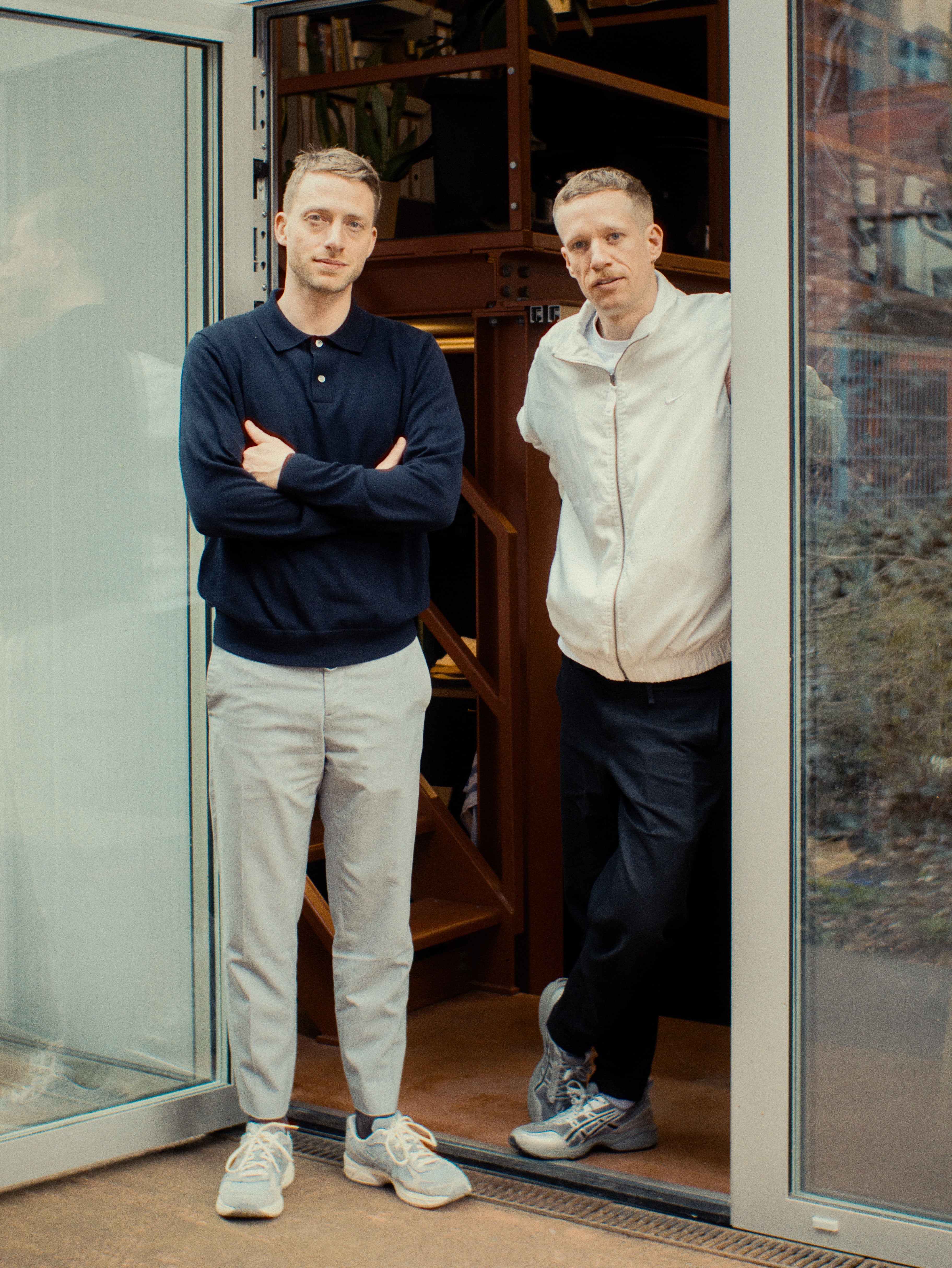
There is clear functional approach in the designs made by David Geckeler and Frank Michels. But not imitating the past, their quest is rather an exploration in how product functionality evolves around changing lifestyles in an ever-changing world. They met at the University of Applied Sciences in Potsdam more than a decade ago. Frank Michels had earlier on enrolled in architecture while David Geckeler continued his industrial design studies at University of Art in Berlin.
Their studio was established in 2013, and they are in constant communication although their work days since 4 years might take place in different locations. If David is the engineering and tech savvy part of the duo, Frank adds an intuition for narrative simplicity.
’After having shared our office space for 10 years, our brains are linked now.’ says David Geckeler, with Frank Michels adding that they rely on each other as sparring partners in their creative dialogue. ’We collect all kind of ingredients that we can add to our discussions on typologies. We start to articulate form when visions for silhouette and character expression arise. Tackling challenges such as ergonomics, production, and product durability are interwoven along the whole process.’
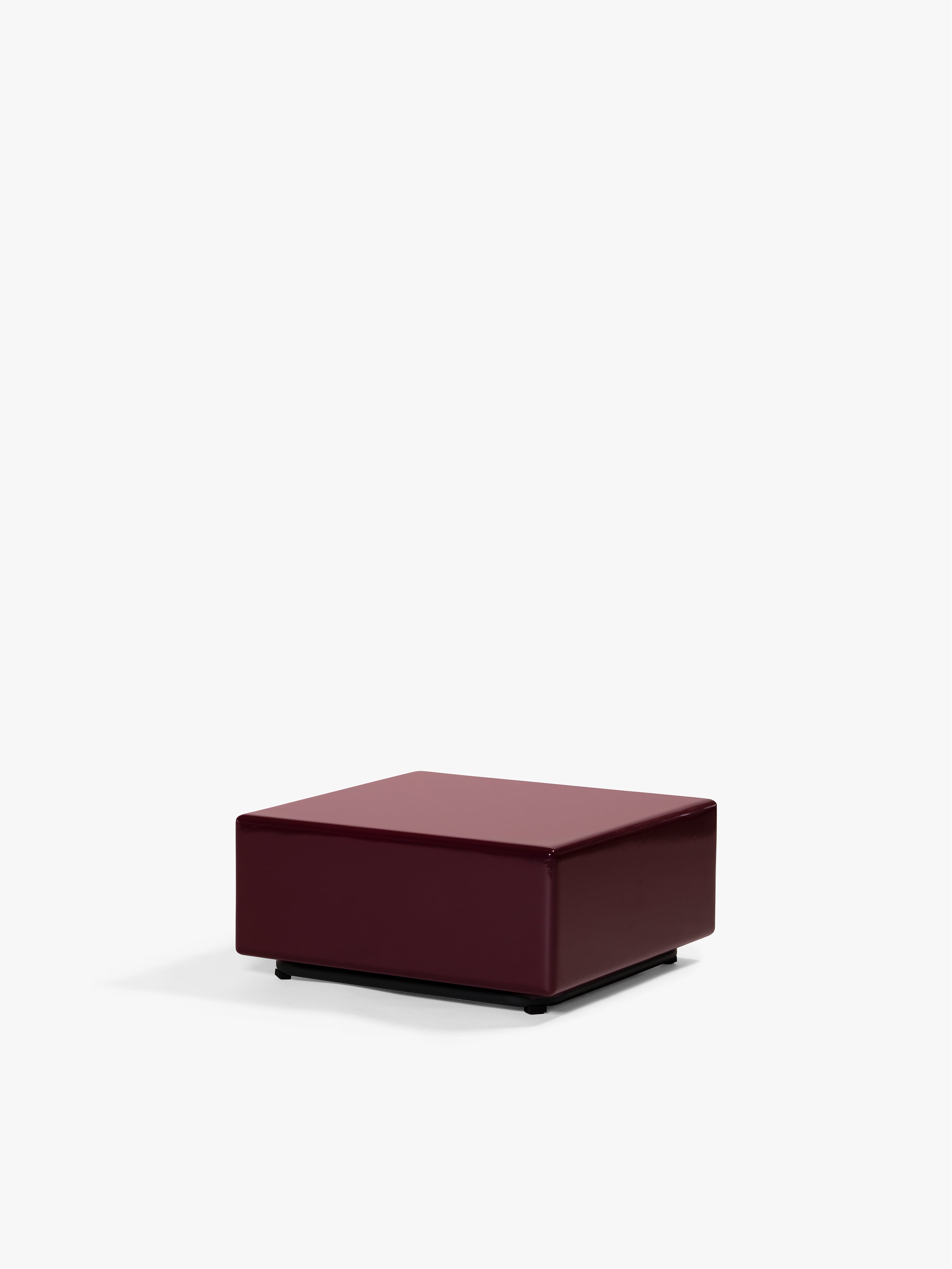
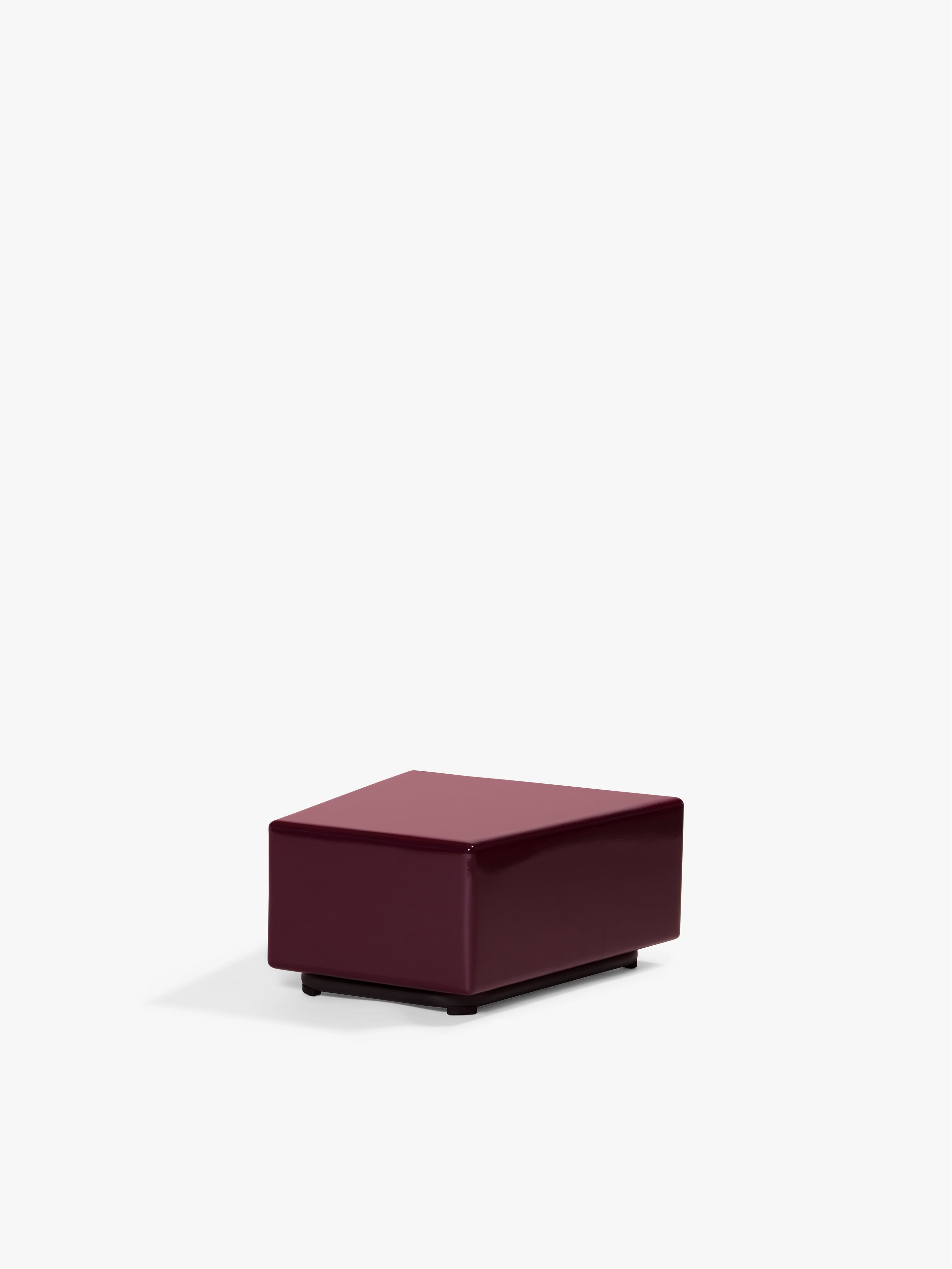
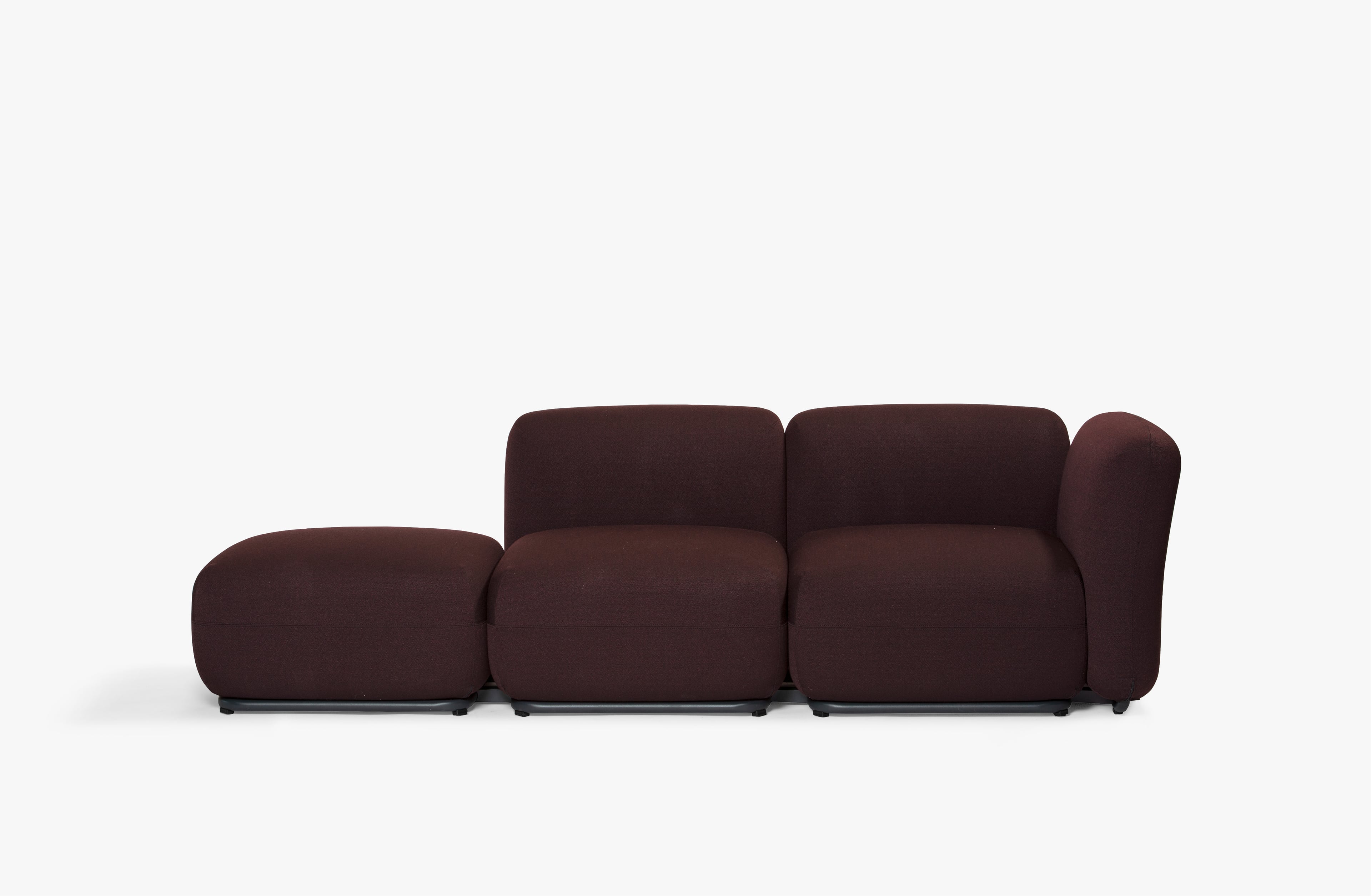
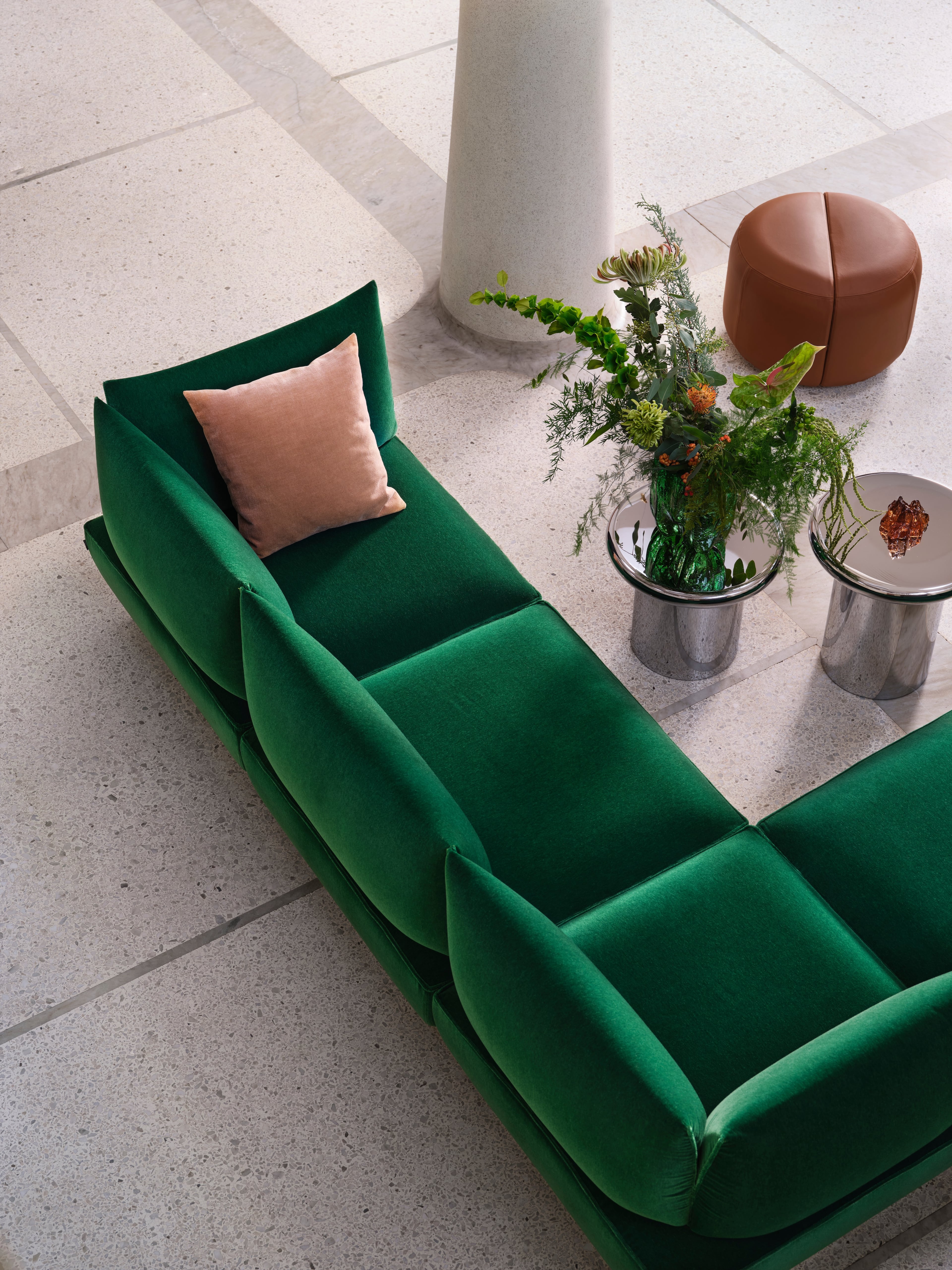
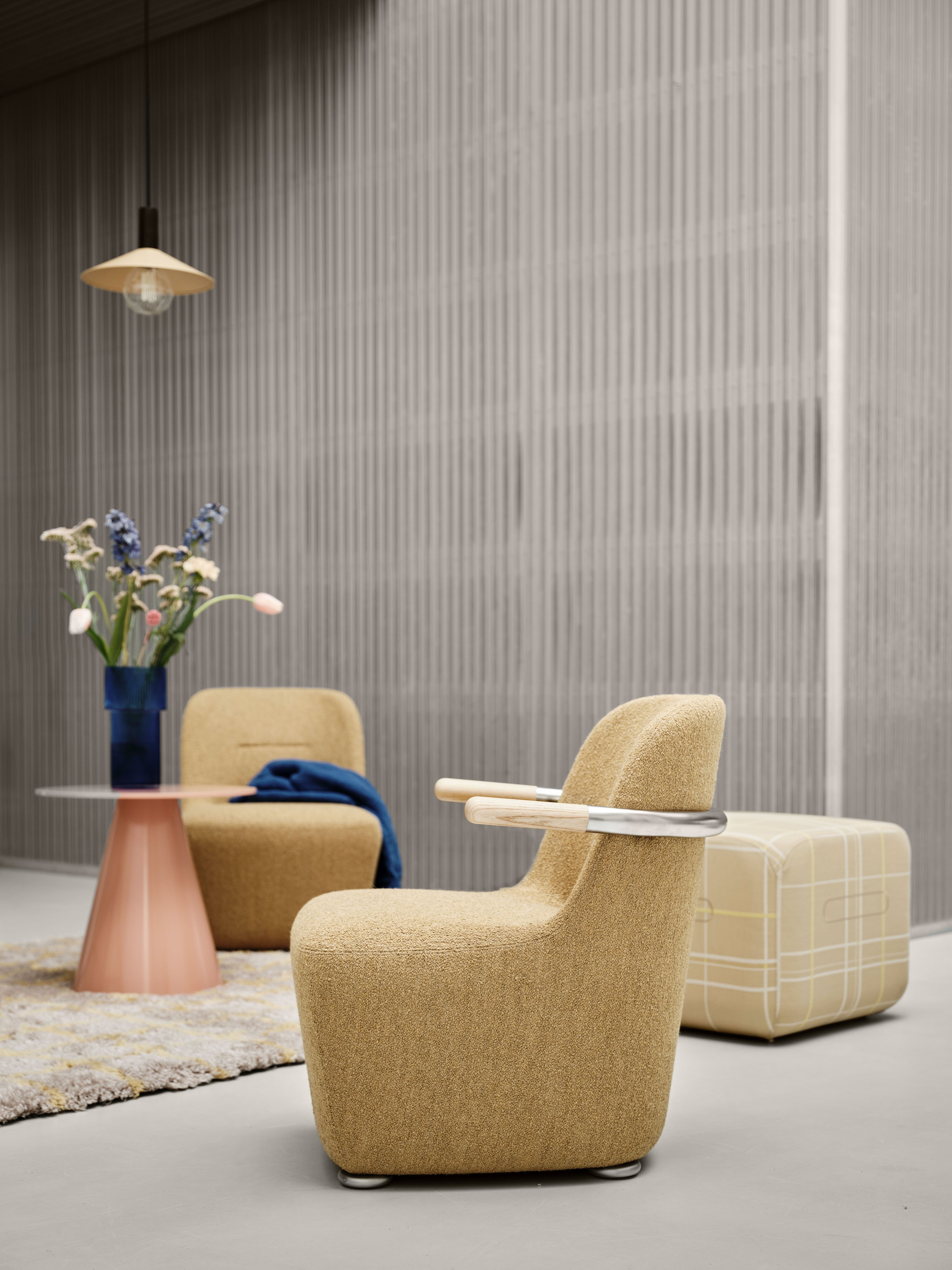
Scandinavian Design is close to the heart of the design duo, although Frank is originally from Luxembourg and David from Germany. ’I did study in Copenhagen for a while,’ says David Geckeler,, ’and for Soma we found it nice to refer to these mellow, soft shapes that constitutes a part of the Scandinavian design history.’
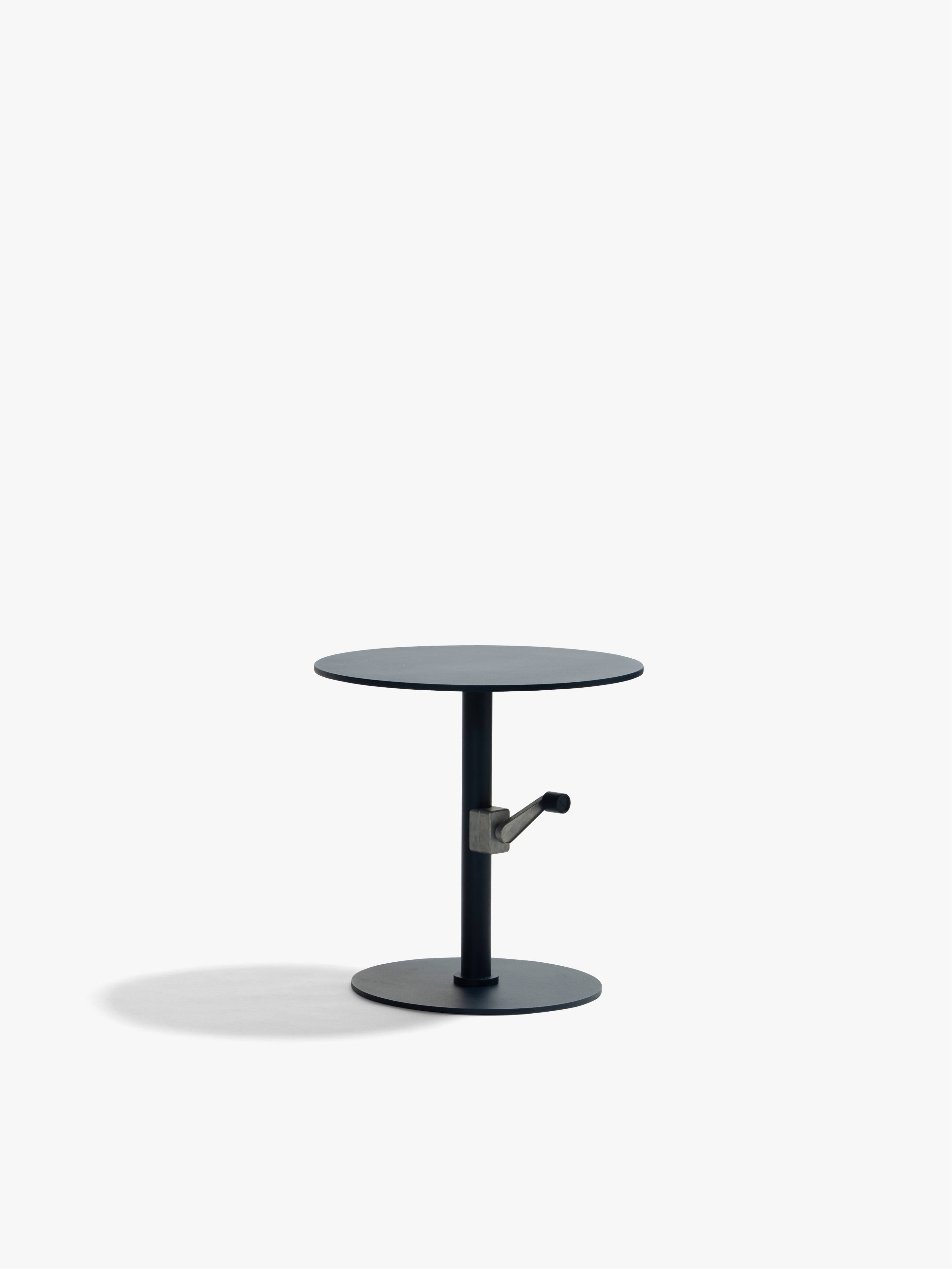
Their designs can be called clear and simple with a very straightforward approach, not without a mimetic touch in an interplay between graphics and geometry that endows their products with a subtle narrative. Their furniture production is well aimed at marketability, where their solutions nonetheless add character and expression beyond mere functionality.
What does your working process look like?
’We are no napkin drawing designers. We started out using 3D just like a pencil, not as an engineering tool, along with models, hand-sketches, and mock-ups. Today we explore the possibilities and limitations of AI as well.’
You find inspiration in past and present, what did influence the shaping of Soma?
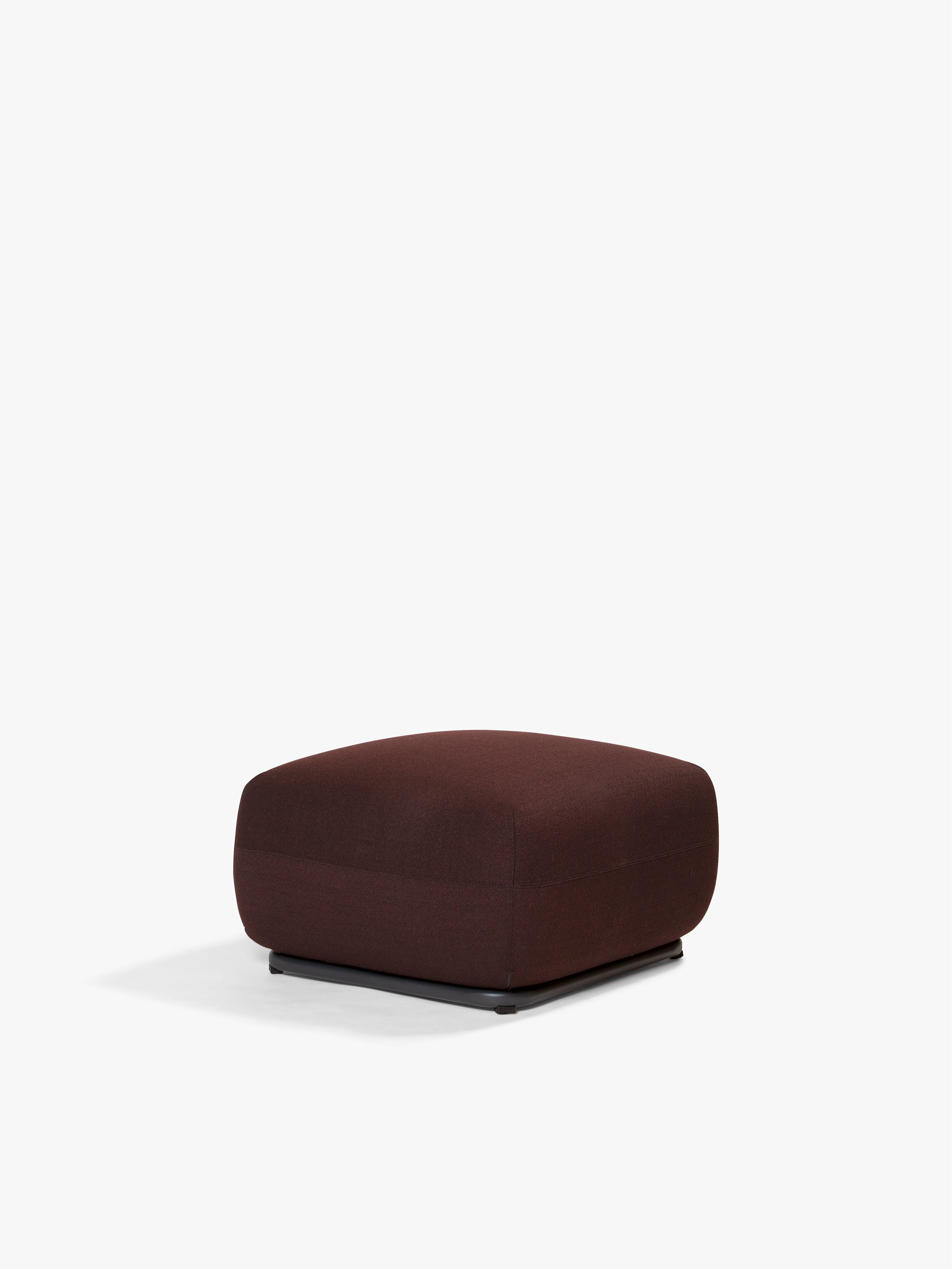
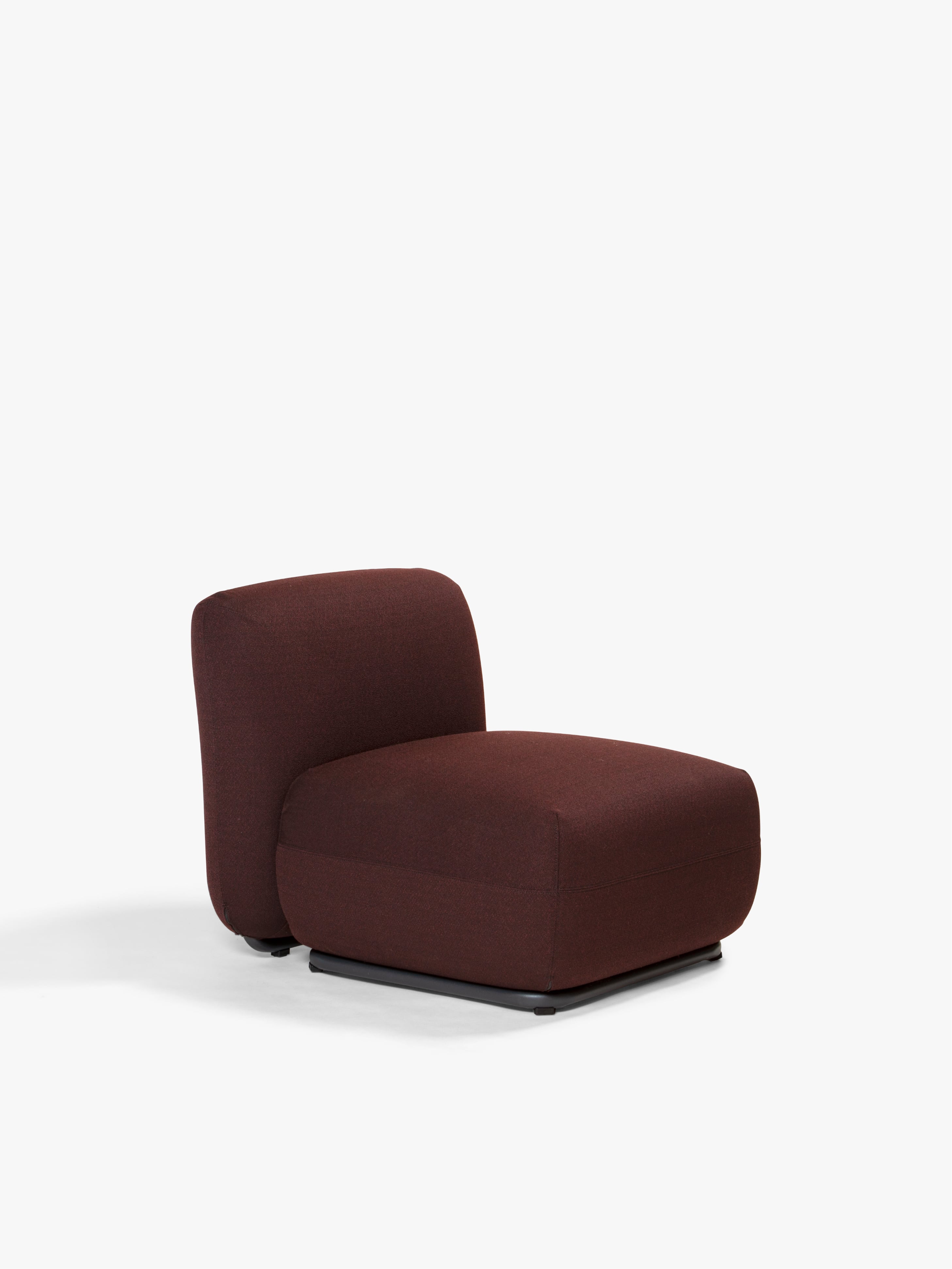
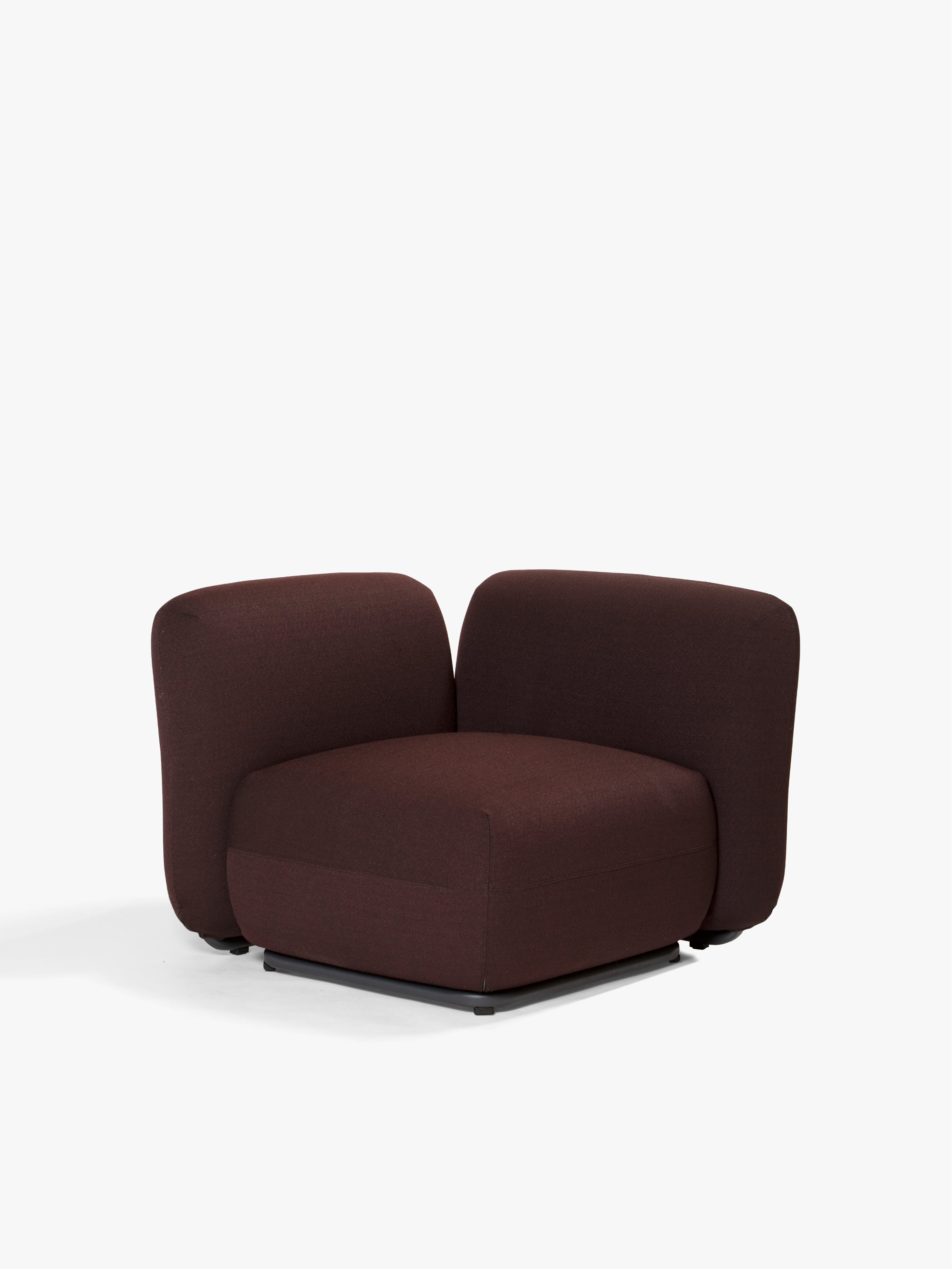
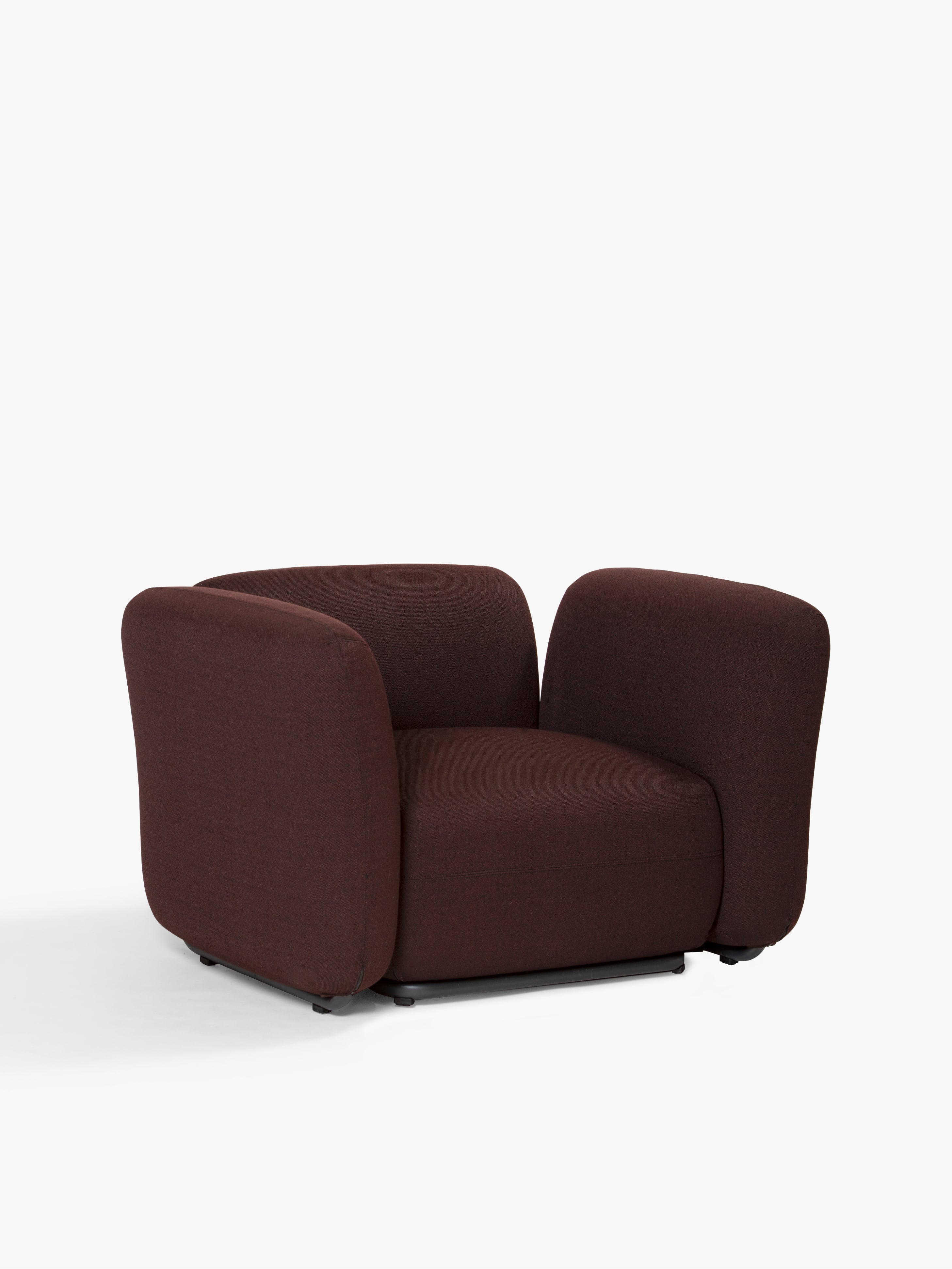
’SOMA tries to capture some of the playfulness and hedonistic approach that defined the ’80s and ’90s. We appreciate Ray Wilkes’ Modular along with the Eames. We bring different ingredients together in our exploration of how functionality evolves with new habits in the present world.’